My Favorite End-Of-Year Phrase
When my high school students learn they are required to take reading intervention as an elective course, their first question is “How can I get out of this class?”
I understand. First, they hate reading. Honestly, who likes to do the things they’re bad at, really? Second, they’ve made it all the way to high school without significant reading improvement, it still feels too difficult, and they are resigned to believing it will also be too hard. Understandably, they would rather spend an hour a day in a relevant elective class like welding or woodshop or culinary arts. An hour of forced reading every day feels like a punishment, not an optimistic welcome to high school.
That was the reaction in August.
But now it is June, and I get to hear my favorite phrase repeated by students after working with them for a year in high school reading intervention.
“I wish I could take this reading class every year. I’ll actually miss it.”
We have spent the past 9 months reading together every day. We have struggled, connected, out-stubborned each other, and finally broke through. I have teenagers in my class who entered high school with significant decoding deficits reading at 4th grade levels who can now use strategies to successfully read 9th grade level texts with enough comprehension to learn from and even enjoy reading.
The last weeks of school in my classroom are all about celebration.
The students read grade-level passages, and I point out the change in their accuracy over the months. They annotate difficult informational texts and we discuss nuanced comprehension, inferences, and opinions. They write letters to their parents explaining which skills they improved and how reading feels now. We play games and eat treats. And we make a plan for summer reading so that they don’t lose their gains.
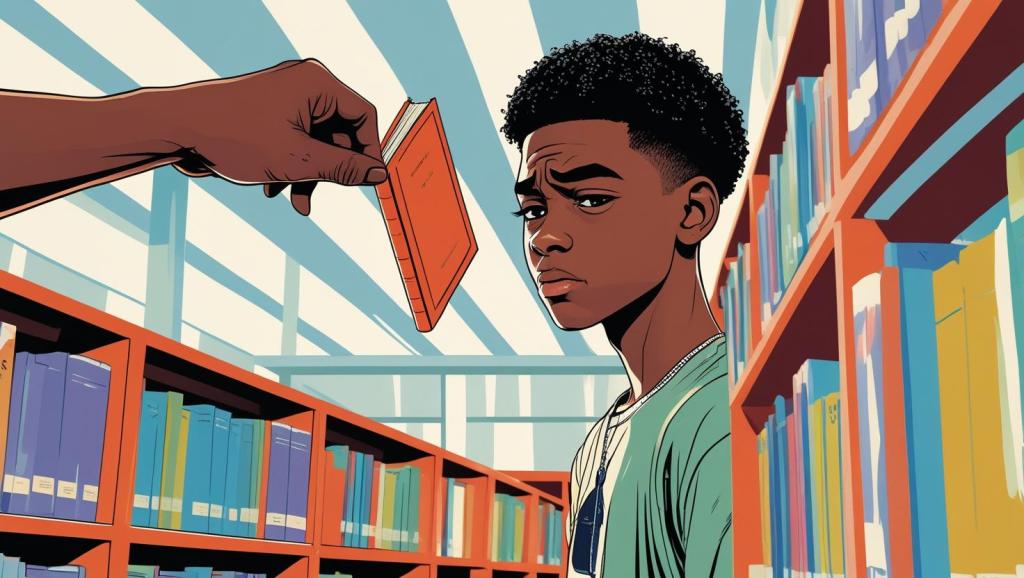
My school library will check books out to students over the summer, setting the due date for the first week back to school. When I pair time spend browsing genres in the library, encouragement and celebration of reading progress, and communication to parents explaining the books students are bringing home, I successfully get students to keep reading independently. They feel fulfilled and proud, and they return to high school in the fall ready to read in their content-area classes.
If students are worried about losing or damaging books or moving over the summer, I have a personal book collection built from community used-book sales.
Today, the last day of class, we ate popsicles and started our summer books. And I believe they will continue reading and succeeding.

Here are a few student-approved books that teens will actually take home and read over the summer:
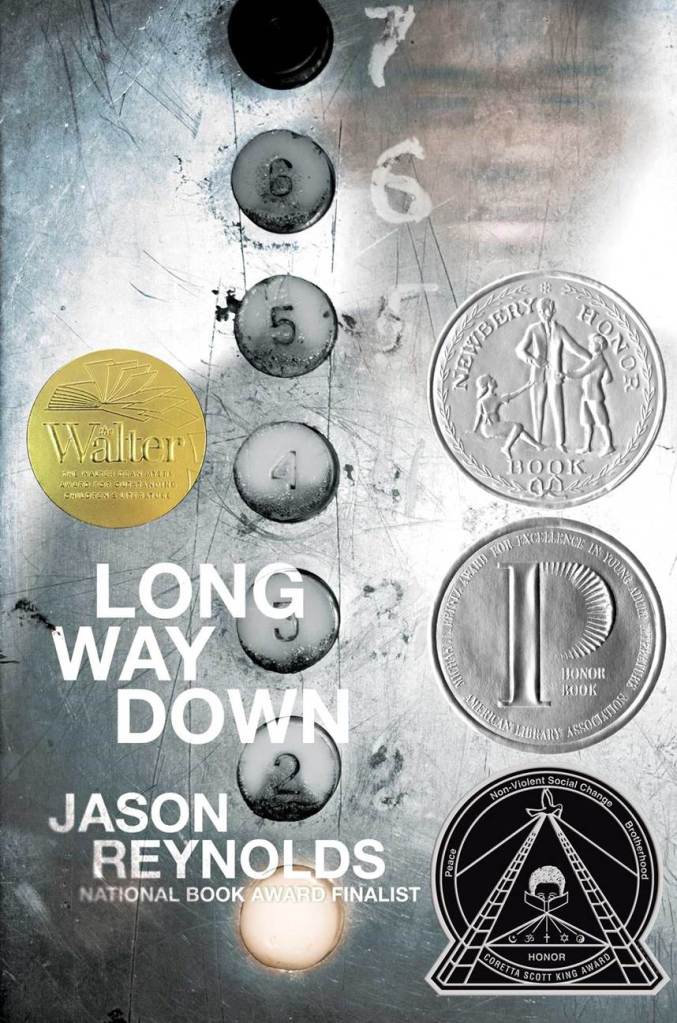
The novel-in-verse format makes for a quicker and less intimidating read, and the plot keeps teens connected and curious about what decision Will makes at the end.
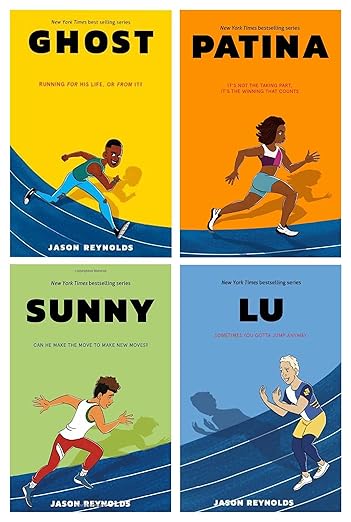
Once they get hooked on Jason Reynolds’ writing style, I also recommend:

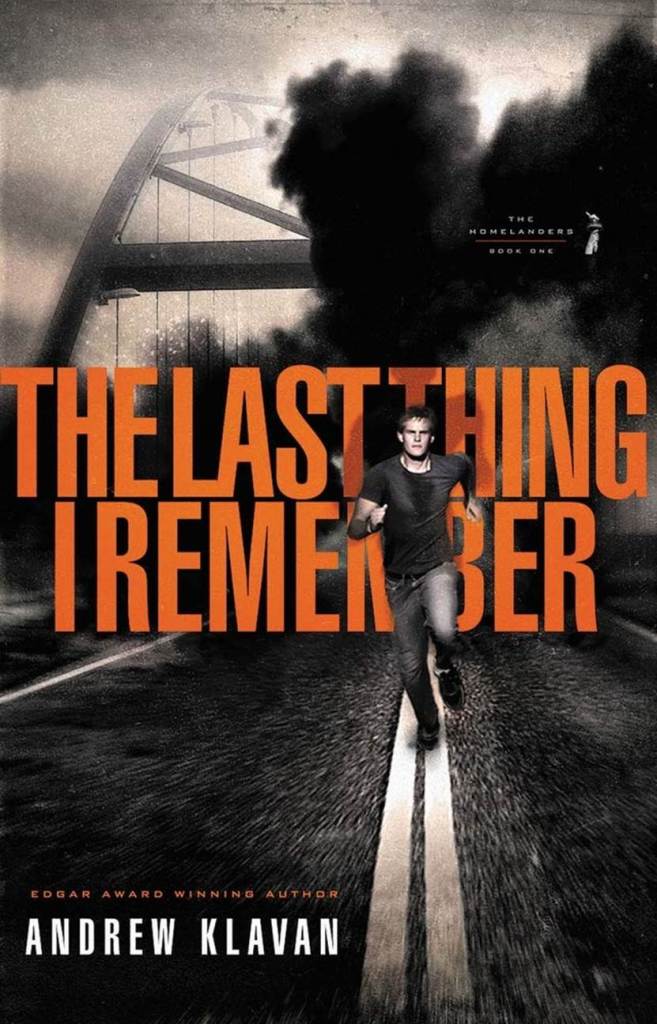
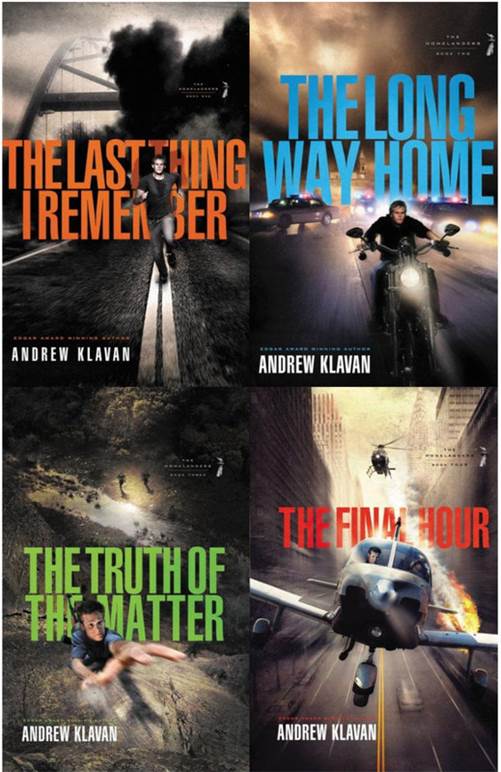
The story begins with a high-schooler tied to a chair and being tortured, but he doesn’t remember what preceded it. The cliff-hangers and action-focused writing allows readers to visualize and wonder along with the main character what is going on.
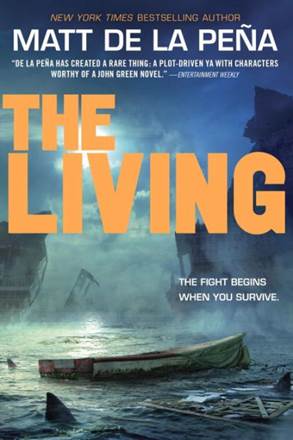
Once they get hooked on mystery combined with action, I also recommend:


 OneTeacherOneBook
Leave a comment