Or, how to make the most of June, July & August
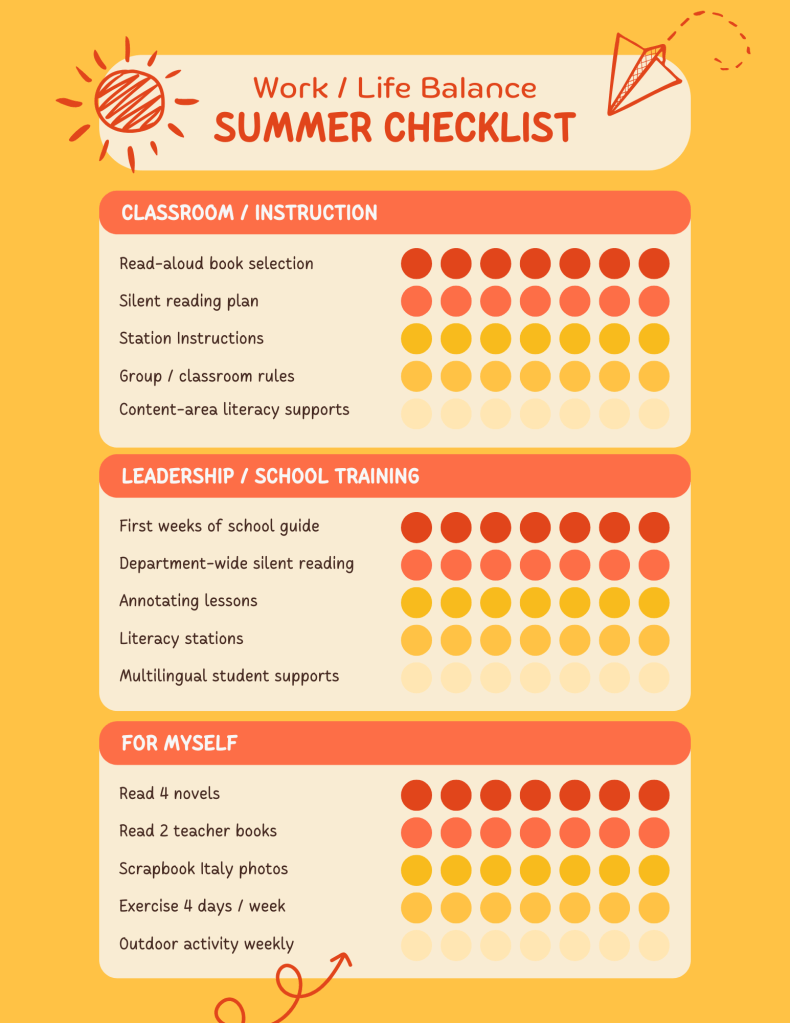
This post was inspired by Angela Watson’s blog post / Podcast episode “How to make a (realistic) plan for summer that will leave you feeling rejuvenated“
Multiply 18 summers spent as a teacher, add budgeting my salary to last through the summer without extra work, and subtract time spent driving my teenagers to their summer activities. Here is how I have learned to structure my summer:
If I can, I like to jump-start my summer immediately with a trip. One year, after packing my classroom in order to move to a newly renovated wing of the school, I proceeded to pack up my car and leave the next morning for a road trip to South Dakota with my kids. Now, endless packing on a Friday in June was not ideal, but as soon as I hit the interstate, I felt that freeing sigh that convinces my body and brain that summer has arrived and I can now relax.
It’s not just a placebo when I feel the escape: according to reports, “women who vacation at least twice a year show a significantly lower risk of suffering a heart attack than those who only travel every six years or so.” I’d say June is the perfect timing for a teacher, because “According to one study, three days after taking a vacation, travelers report feeling less anxious, more rested and in a better mood. Interestingly, these benefits tend to linger for weeks after the trip has ended.”
This year, I have been learning the world of travel on points, with the help of the Travel Mom Squad. Saturday morning following the last Friday of school, I traveled to Cabo with my mom and sister for a girls trip – courtesy of Marriott points and the Southwest companion pass. I recommend Hacienda Del Mar for ultimate relaxation!

After a week of pure deep breathing, taking in the ocean sights, walking on the beach, and arriving home with a stack of novels to read on my back deck, I am now ready to add back a little structure to make the most of the 8 weeks of summer I have left.
I need to leave the classroom behind for a bit in order to refresh my mind enough to begin thinking big picture. Now that I am in my 40s, I have learned to begin with my own list of what I want to do with my extra time. If I don’t start with my “want-to-dos” all that extra time gets swallowed up by chores, procrastination, lack of focus, and other time-wasters. So to follow Angela Watson’s advice, my weekly themes beginning in June include:
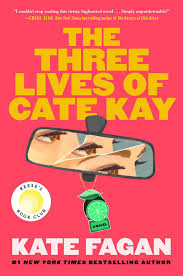
Reading on the sun on my deck (or in my hot tub on rainy June days). I am currently reading The Three Lives of Cate Kay by Kate Fagan, and my personal reading list typically includes Reese Witherspoon Book Club picks.
Movement: I use the Grow With Jo YouTube channel for my personal exercise at home, which is easy for me to add as a movement break between stretches of reading. Then between running teens to sports and jobs, I will have one day per week left for outdoor activities such as hiking and paddleboarding. Spending the time now to add those activities to my weekly checklist will ensure I look back on summer breaks and feel like I actually took care of myself and used the time. This makes it easier for me to avoid the burn-out that can come with the lack of time when I get back to school in August.
Planning: After I’ve given myself a sufficient break the first couple weeks of summer, I am ready by the end of June to give brain space to big-picture leadership and training contributions. This week, I am beginning to think about how I can contribute to district-wide Competency-Based-Education initiatives. This will include proposing an English-department-wide silent reading initiative, and proposing a structure for sharing instructional procedures with colleagues such as annotating texts and running literacy stations. Check back for these plans and materials, here and on my One Teacher One Book TPT Store.
Presenting: I provide induction training to new teachers within my district and help organize a local literacy conference for educators, so by the beginning of August I will create tips for multilingual student supports, content-area literacy supports, and a guide to the first weeks of school for new educators. Those projects will take me through July, if I consistently work on them approximately 5-10 hours per week.
Finally, when I’m just a couple weeks before the beginning of a new year and new group of students, I will refine my own classroom instructional plans, so that I can be confident and competent when I train my reading instructors in classroom reading protocols such as literacy stations, read-aloud modeling, and silent reading routines.

 OneTeacherOneBook
Leave a comment