Why every classroom needs to use stations for literacy-focused work
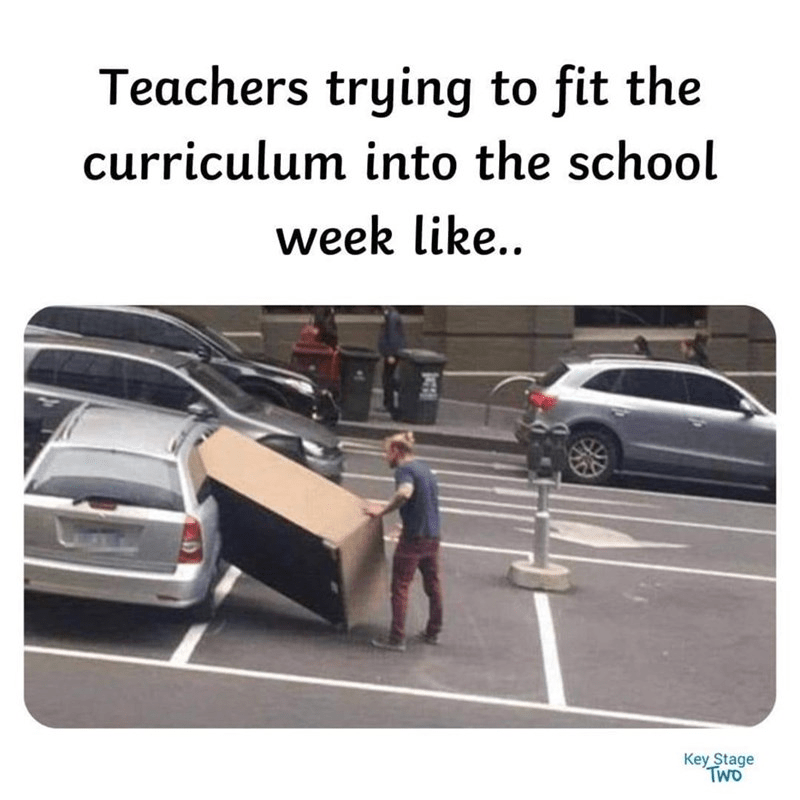
There is so much to do in a 50-minute class period, to practice weekly skills, to cover monthly content units, to get through yearly curriculum.
But we’re not just trying to get through it all. I want teens to leave my classroom having essential skills: reading, writing, communicating, confidence, perseverance, independent motivation. Enter, literacy stations.
While stations force us to get comfortable giving up whole-class control, the benefits of choice far outweigh any growing pains.
Stations take the “or” options provided, and place them into physical manifestations. When students walk into my classroom, they get to choose “What do I feel like today?” “What skills do I most need to work on?” “What is my capacity to try something new?” and “How can I best show my learning and skills?”
Here are the questions and arguments I hear when I introduce the idea of using stations to other teachers:
Doesn’t it take a long time to create the routines?
How do you manage behavior or keep kids on task if some groups are unsupervised?
Do the kids actually do it?
That’s great for you, but I have so much content to cover, there’s no way I could give up time or control.
How do you know they’re learning?
How I set up stations for success:
Decide the essential skills or competencies the students need to practice.
Define your competencies, then identify skill-practicing activities and design your stations around those. My high school 9th graders typically need to practice writing structured paragraphs, repeatedly, all year, with feedback and chances for improvement. They also need exposure to poetry and Podcasts to broaden their horizons. With knowledge of my content-area standards, the resources I have, and the students’ gaps, I select my stations based on skills that need routine practice.
First, model and practice each activity as a whole class. I take the first week of school to establish group and transition expectations, and another two weeks to teach each competency and associated activity.
Arrange your room to accommodate the optimal number of stations. I set up tables up for the number of stations I can monitor from the background, and time it for every group to come through my supervised station for optimal guidance. In my classroom, I can handle 2-3 stations. I would not recommend more than 4 separate stations; I cannot hear what’s going in with too many stations, it looks like chaos (and probably is) and a class period does not provide enough time to get meaningful practice done if students have to spend less than 10 minutes at each station. In fact, according to research, “choice paralysis and dissatisfaction increase exponentially after a ‘limited array of 6 choices’” and “two to four choices is the sweet spot” (Novak 2024).
Provide accountability for each station’s completion.
Have a presence at each station, and ensure students have to provide evidence of their competencies or skills. You might be lucky like I am, and have paraprofessionals or tutors assigned to work with students in your classroom. You might have access to add student tutors from older grades. You might just have students complete a Flip recording or simply turn in their work from each station. Add in time routinely for student reflection and individual conferencing to discuss student skills and progress.
Provide a weekly checklist with academic “rewards” for completing the skills. Fun Friday anyone? First semester Fridays become WIN time (What I Need) – instead of literacy stations, tables might be set up with extra practice, homework help, independent reading, passion projects, or genius hour. As we move into second semester, my classroom stations become board games on Fridays if all stations have been completed. It’s amazing how much students say their group collaboration benefitted from playing board games together.
Rotate station options to prevent boredom and provide what’s needed throughout the year. As students master skills, their practice should progress as well.
Use rubrics and have students self-evaluate their skills and track progress each week. Let them own their learning.
Here’s an overview of station options in my classroom
Reading Intervention Stations
Poetry Analysis
Article Annotations
Podcast Listening
Writing
I provide printed copies of a few poems. Groups of students choose one poem. They engage in repeated readings, both silently and aloud, individually and as a group. Each student annotates the poem, labeling vocabulary, themes, questions, and illustrating a description. They may write a summary or connection to the poem. They use a rubric to reflect and score themselves on the competency of poetry comprehension & analysis.
I provide printed copies of a few articles. Groups of students choose one article. They read the article together and annotate to show their thinking (paraphrase paragraphs, identify main ideas, write questions, opinions, connections, and arguments). They use a rubric to score themselves on the competency of informational comprehension.
I provide QR codes or links in Google Classroom to several Podcast options. Individual students choose a Podcast and, with headphones in, listen to the Podcast. As they listen, they doodle and take notes on a handout to demonstrate their comprehension, focusing on what they visualize. They may share summaries within groups after listening. They use a rubric to score themselves on the competency of listening comprehension.
I provide sentence stems for students to write a paragraph based on that week’s texts. Paragraphs might center on the skills of literary analysis or argumentation. I conference with each student, having them take the time to read their paragraph out loud to me so that they hear their own writing. Often they make corrections to their writing during that conference. Students use a rubric to score themselves on the competency of organizing thoughts and using evidence in writing.
Stations & Choices will play a large part in my standard ELA classes as well. In English 10, we begin with a communication unit and introductory speeches. Rather than selecting the topic and format for the whole class, students will choose from the following options:
2 Truths 1 Lie Challenge
Boring Facts Competition
I Am Poem
Students will receive instructions for writing three stories about themselves: two true and one lie. In groups, students then tell their stories, and the group attempts to guess the lie.
Students will receive instructions for creating a visual format with the most boring facts about themselves. In groups, students then share their visual displays, which may be on physical paper on in digital formats.
Students will receive a template for writing an “I am” poem about themselves. They will write original poems, then share in either an in-person poetry slam or record a digital reading.
These three options could be presented in a menu / choice board and worked on individually, but students will be much more engaged in their choices if they physically move to the station of their choice and sit with other peers working on the same choice.
As I move through the school year, I will provide my station options for each unit and reflections on how students respond. You may not want to station your entire classroom yet. I challenge you: choose one lesson, break the activities into options, and seat students into stations to work as learning teams. Move around the room and spend time with each station group as students are working. Make note of how quickly students begin working, how long they remain engaged, and how comfortable they seem given their options. My guess is, the more work we invest up-front planning engaging options that suite different student needs, the less work we will have to do during our classes, which will allow for time to actually connect with our students as they are engaged in learning rather than trying to just “get through” the lesson.


 OneTeacherOneBook
Leave a comment